What is Moo Goo Gai Pan? A Healthy Chinese-American Classic
In the vast landscape of Chinese-American cuisine, few dishes evoke such a comforting sense of familiarity as
Moo Goo Gai Pan. This ever-popular stir-fry, a staple on menus across the United States for decades, has earned its place as a cherished takeout classic. Often recognized for its mild flavor profile, tender chicken, and abundance of crisp-tender vegetables bathed in a delicate, savory white sauce, Moo Goo Gai Pan offers a delightful balance that appeals to both seasoned enthusiasts and those new to the vibrant world of Chinese cooking.
While it might diverge from the deeply traditional dishes found in mainland China, Moo Goo Gai Pan holds a unique and significant spot in the culinary tapestry of Chinese-American kitchens. It’s a testament to adaptation and innovation, using familiar Chinese techniques and seasonings to create something deliciously new—a delicious dish in its own right that often reminds Chinese immigrants of a taste of home, even if it's not exactly what they grew up with. Beyond its deliciousness, Moo Goo Gai Pan also stands out as one of the healthier options on a typical Chinese takeout menu, making it a guilt-free pleasure for many.
What Exactly is Moo Goo Gai Pan? Unpacking the Classic
At its heart,
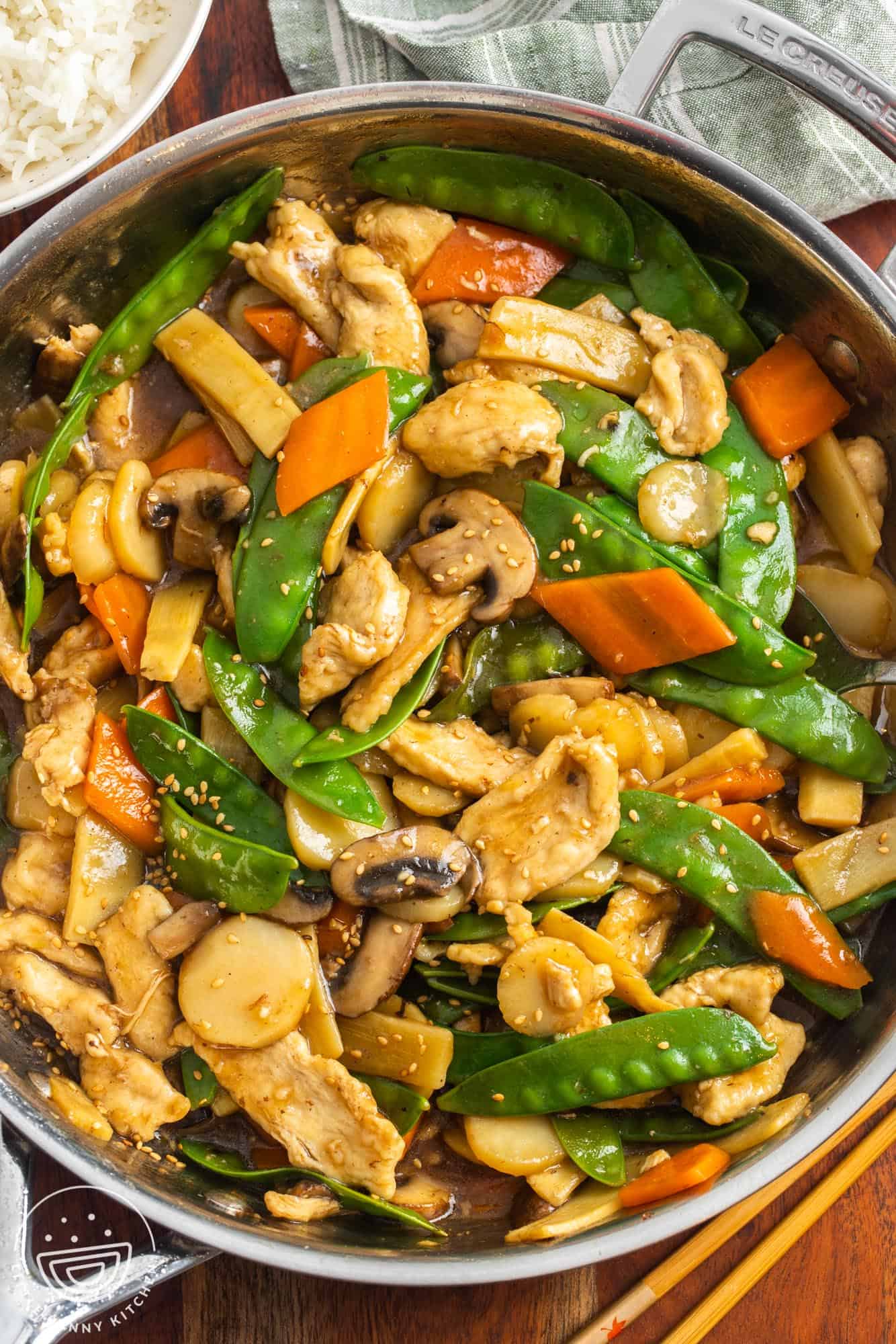
Moo Goo Gai Pan is a simple yet elegant chicken and vegetable stir-fry. The name itself offers a direct clue to its composition: originating from the Cantonese dialect, "Moo Goo Gai Pan" translates literally to "mushrooms and sliced chicken." This straightforward name perfectly encapsulates the dish's primary components, highlighting its emphasis on fresh, wholesome ingredients.
Unlike many Chinese-American dishes that might feature rich, dark, or sweet sauces, Moo Goo Gai Pan is distinctively characterized by its delicate, often translucent "white sauce." This sauce is typically savory, sometimes with a subtle sour or tangy note, and a characteristic gooey, slightly thick consistency achieved with cornstarch. Key ingredients often include succulent pieces of chicken, typically boneless and skinless for ease of eating and tender texture, combined with a generous medley of fresh vegetables. You'll almost always find sliced mushrooms (the "moo goo" part), alongside other common additions like white bok choy, bamboo shoots, and water chestnuts, which add delightful crunch and freshness.
This dish has been a cornerstone of Chinese restaurants in the U.S. virtually since their inception. Its ubiquity meant that for many, their first encounter with Chinese-American food, or even with Chinese food in general, might have been through a plate of Moo Goo Gai Pan. It was often included in larger, multi-course meals like "Polynesian Luaus" (a playful misnomer for Chinese-American feasts) or as a healthy counterpoint in a Pu Pu platter that might otherwise lean heavily on fried appetizers. Its enduring popularity speaks volumes about its approachable flavors and satisfying textures, making it an excellent introduction to Chinese cuisine for those unfamiliar with more complex or intensely spiced dishes.
The Art of Flavor and Texture: Why Moo Goo Gai Pan Charms So Many
What truly sets
Moo Goo Gai Pan apart and contributes to its lasting appeal is the masterful interplay of its flavors and, crucially, its textures. This isn't just a random assortment of ingredients; it's a carefully orchestrated culinary experience designed to delight the palate.
The sauce, while often described as "white" and "mild," is anything but bland. It's a symphony of savory notes, often drawing depth from ingredients like Shaoxing cooking wine, white rice wine, soy sauce, and oyster sauce. There's a subtle acidity, a hint of umami, and sometimes a nutty undertone, creating a complex yet balanced profile that is more savory than sweet. The characteristic "gooey" texture, achieved by a cornstarch slurry, coats every ingredient beautifully, ensuring each bite is infused with flavor. This thick, luxurious consistency is part of what makes the dish so comforting and satisfying.
Then there's the chicken. The magic behind its consistently tender and moist texture lies in a classic Chinese technique called *velveting*. This involves marinating sliced chicken, typically boneless thighs or breasts, with cornstarch and often other ingredients like cooking wine and soy sauce, and sometimes an egg white. This marinade creates a protective coating that locks in moisture during the high heat of stir-frying, resulting in meat that is incredibly soft, smooth, and, as the name suggests, velvety. This technique not only ensures perfectly cooked chicken but also contributes to the luscious texture of the final sauce.
Complementing the tender chicken and savory sauce is the vibrant array of vegetables. From the earthy, delicate flavor of mushrooms to the crisp, slightly bitter notes of bok choy, and the satisfying crunch of bamboo shoots and water chestnuts, the vegetables add essential freshness and textural contrast. They are typically stir-fried just until crisp-tender, retaining their natural vitality and adding a refreshing element to the dish. This combination of tender meat, crisp vegetables, and a rich, savory sauce makes Moo Goo Gai Pan incredibly satisfying and utterly irresistible for many, including children and those who prefer less spicy or intensely flavored dishes.
A Wholesome Choice: Moo Goo Gai Pan's Healthy Side
In a world often saturated with heavy and indulgent takeout options,
Moo Goo Gai Pan stands out as a genuinely healthy Chinese-American classic. Its inherent composition, heavy on fresh vegetables and lean protein, positions it as a much lighter choice compared to many other popular stir-fries or fried dishes.
The dish's focus on a diverse array of vegetables is a significant contributor to its health benefits. Ingredients like bok choy are packed with vitamins A, C, and K, while mushrooms offer B vitamins and antioxidants. Bamboo shoots and water chestnuts provide fiber and texture without adding many calories. This abundance of vegetables means you're getting a good dose of essential nutrients and dietary fiber, which aids digestion and promotes satiety. By including plenty of fresh produce, Moo Goo Gai Pan helps to balance a meal and ensures a healthy intake of plant-based goodness.
Furthermore, the chicken, typically skinless and boneless, provides a lean source of protein essential for muscle repair and overall body function. When prepared using the velveting technique, the chicken remains tender without the need for excessive oil, further contributing to the dish's lighter profile. Unlike many other stir-fries that might be drowning in sweet, sugary sauces or deep-fried components, Moo Goo Gai Pan’s white sauce is generally savory and less sugar-laden, keeping calorie and sugar counts relatively lower.
For those looking to make even healthier choices, preparing Moo Goo Gai Pan at home offers unparalleled control over ingredients. You can opt for low-sodium soy sauce, reduce the amount of oil used in stir-frying, and significantly increase the vegetable-to-meat ratio. This allows for a completely customizable, wholesome meal that aligns perfectly with a health-conscious lifestyle without sacrificing flavor or satisfaction.
Crafting Your Own Moo Goo Gai Pan: Expert Tips for Home Cooks
Embracing the simplicity and deliciousness of
Moo Goo Gai Pan in your own kitchen is a rewarding experience. With a few key techniques and quality ingredients, you can recreate this Chinese-American classic with remarkable ease. Here are some expert tips to guide your culinary journey:
*
Mastering the Velveting Technique: The secret to truly tender chicken in your Moo Goo Gai Pan lies in velveting. This simple yet transformative Chinese cooking method involves marinating thinly sliced chicken (thighs are often preferred for their moisture, but breasts work too) with a mixture of cornstarch, a splash of Chinese cooking wine (like Shaoxing), and a bit of soy sauce. Sometimes, an egg white is also included to further enhance the texture. This coating creates a protective barrier that seals in moisture during cooking, resulting in incredibly succulent and silky chicken, and helps thicken the sauce for that signature luscious mouthfeel. For a detailed guide on achieving this perfect texture, check out our article on
Mastering Moo Goo Gai Pan: Easy Velvety Chicken Stir Fry Recipe.
*
Building the Perfect Savory Sauce: The white sauce is the heart of Moo Goo Gai Pan. A typical homemade sauce might include Shaoxing wine for authentic flavor, white rice wine vinegar for a subtle tang, light soy sauce for salt and umami, a touch of oyster sauce for depth (optional, but highly recommended), and a cornstarch slurry for thickening. Always taste and adjust seasonings; you might want a pinch of sugar to balance the savory notes, or a dash of white pepper for a subtle kick. Mix your sauce ingredients ahead of time so it's ready to pour into the hot wok or skillet.
*
Selecting and Preparing Vegetables: Freshness is key! Opt for vibrant, crisp vegetables. Beyond the traditional mushrooms, bok choy, bamboo shoots, and water chestnuts, feel free to experiment with snow peas, carrots, bell peppers, or broccoli florets. Cut all your vegetables into uniform, bite-sized pieces to ensure even cooking. To maintain their crisp-tender texture, add vegetables to the stir-fry in stages, starting with those that take longer to cook (like carrots or broccoli stems) and adding quicker-cooking ones (like mushrooms or bok choy leaves) towards the end.
*
High Heat, Quick Cooking: A fundamental principle of stir-frying is high heat and rapid cooking. Ensure your wok or large skillet is very hot before adding oil. Cook ingredients in batches if necessary to avoid overcrowding, which can lower the temperature and steam the ingredients instead of stir-frying them. The goal is to get a nice sear on the chicken and crisp-tender vegetables.
*
Making it a Weeknight Wonder: One of the greatest virtues of Moo Goo Gai Pan is its speed. Once your ingredients are prepped, the actual cooking time is incredibly fast—often under 15-20 minutes. This makes it an ideal choice for busy weeknights when you want a delicious, homemade meal without spending hours in the kitchen. For more tips on making this dish a speedy and savory success on any evening, explore
Moo Goo Gai Pan: Your Quick & Savory Weeknight Chinese Dish Guide.
Serve your freshly made Moo Goo Gai Pan alongside a steaming bowl of fluffy white rice to soak up all that delicious sauce. It also pairs wonderfully with other Chinese-American favorites like crispy roasted pork, or even a side of stir-fried garlic eggplant for a more elaborate feast.
The Enduring Charm of Moo Goo Gai Pan
From its humble Cantonese origins to its widespread adoption as a beloved Chinese-American takeout staple,
Moo Goo Gai Pan has cemented its place in the culinary world. It's a dish that artfully balances simple, wholesome ingredients with sophisticated techniques like velveting, resulting in an experience that is both comforting and deeply satisfying. Its gentle yet savory flavors, coupled with its inherent healthfulness, make it a versatile choice for family dinners, quick weeknight meals, or even as a lighter option within a larger Chinese-American spread. Whether you're ordering it from your favorite local spot or crafting it from scratch in your own kitchen, Moo Goo Gai Pan remains a timeless classic that continues to charm palates with its unique blend of tenderness, freshness, and delicious simplicity.