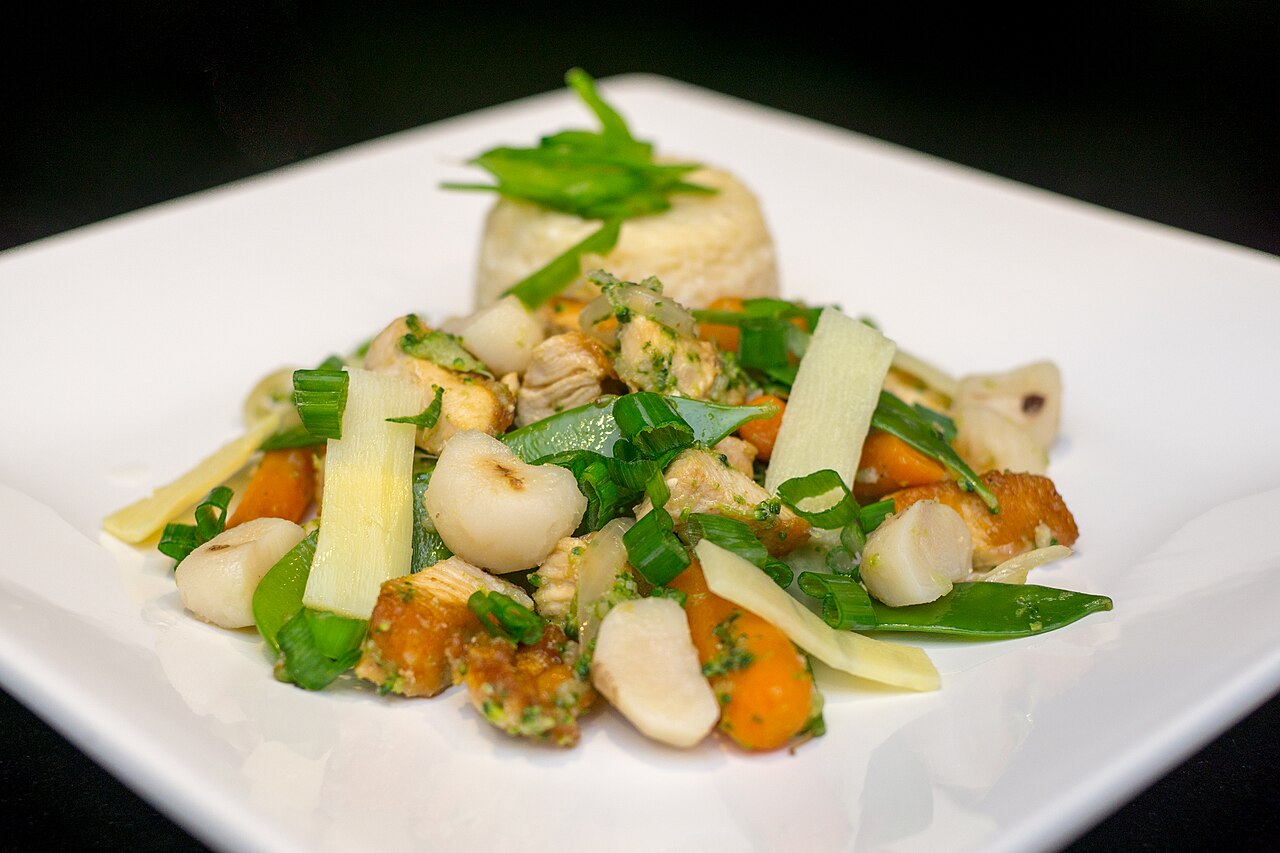
Moo Goo Gai Pan: Your Quick & Savory Weeknight Chinese Dish Guide
In the vibrant tapestry of Chinese-American cuisine, few dishes evoke a sense of comforting familiarity quite like
Moo Goo Gai Pan. This classic stir-fry, beloved for its delicate flavors and abundance of fresh vegetables, has graced countless restaurant menus and dinner tables across the United States. Far from being an obscure culinary secret,
moo goo gai pan is the perfect solution for those busy weeknights when you crave something wholesome, savory, and quick to prepare, yet brimming with the delightful essence of Chinese cooking.
While perhaps not adhering strictly to the ancient culinary traditions of mainland China, Chinese-American dishes like
moo goo gai pan offer a unique and delicious bridge between cultures. They represent an evolution, a culinary dialogue that resonates deeply with many, offering familiar techniques and seasonings in a new, accessible format. This guide will explore everything you need to know about this popular dish, from its origins and ingredients to practical tips for mastering it in your own kitchen.
What Exactly is Moo Goo Gai Pan?
At its heart,
moo goo gai pan is a simple yet elegant chicken and vegetable stir-fry served in a light, savory "white sauce." The name itself, derived from Cantonese, offers a direct translation: "mushrooms and sliced chicken." This straightforward description belies a dish that is anything but bland, instead delivering a symphony of textures and subtle flavors.
Historically,
moo goo gai pan has been a staple in Chinese restaurants across the US for generations. It carved out its niche as a healthier, lighter alternative to some of the more intensely flavored or fried dishes on the menu. Picture a Polynesian Luau for three, as recalled by one chef, where it perfectly complemented items like fried rice and a Pu Pu platter, adding a much-needed serving of fresh, crisp vegetables.
Key characteristics that define authentic
moo goo gai pan include:
*
A "White Sauce": Unlike many stir-fries that feature dark, soy-heavy sauces,
moo goo gai pan uses a clear, subtly flavored sauce that allows the natural colors and tastes of the ingredients to shine. This sauce is typically savory, with a slight tang, and often thickened to a "gooey" consistency, making it perfect for coating rice and vegetables.
*
Abundance of Vegetables: This dish is undeniably vegetable-forward. Common additions include fresh white button mushrooms (the "moo goo"), large varieties of bok choy, crisp water chestnuts, and crunchy bamboo shoots. These are often joined by snow peas, carrots, or other seasonal greens, making it a delightfully healthy option.
*
Tender Chicken: Sliced chicken breast or thigh is the traditional protein, prized for its mild flavor and ability to absorb the delicate sauce.
*
Mild and Balanced Flavor Profile: Moo goo gai pan is characterized by a savory, sometimes nutty flavor, with a subtle acidic or pungent element. It's rarely overly sweet, making it an excellent introduction to Chinese flavors for those unfamiliar with them, and universally appealing for both adults and children.
Why Moo Goo Gai Pan Shines as a Weeknight Meal
In today's fast-paced world, the appeal of a delicious, home-cooked meal that doesn't demand hours in the kitchen is undeniable. This is precisely where
moo goo gai pan excels, making it an ideal choice for busy weeknights.
1.
Speed and Simplicity: From start to finish, you can have a steaming bowl of
moo goo gai pan on your table in as little as 25-30 minutes. The stir-fry method is inherently quick, relying on high heat and rapid cooking.
2.
Family-Friendly Flavors: Its mild yet savory profile, coupled with tender chicken and a variety of textures from crisp vegetables, makes
moo goo gai pan a hit with all ages, even picky eaters. It's an excellent way to introduce kids to the joys of Chinese cuisine without overwhelming their palates.
3.
Health-Conscious Choice: Loaded with fresh vegetables and featuring a lighter sauce,
moo goo gai pan stands out as one of the healthier Chinese-American takeout options. Cooking it at home gives you complete control over ingredients, allowing you to minimize sodium or fats as desired.
4.
Budget-Friendly: Utilizing common proteins like chicken and readily available vegetables, this dish is economical to prepare, making it a smart choice for feeding a family without breaking the bank.
5.
Satisfying Comfort: Despite its lightness, the savory sauce and tender ingredients provide a deeply satisfying and comforting meal, especially when served alongside a warm bowl of rice.
Crafting the Perfect Moo Goo Gai Pan at Home
Recreating restaurant-quality
moo goo gai pan at home is remarkably achievable. The key lies in understanding the foundational techniques and ingredient choices that contribute to its distinctive taste and texture.
Essential Ingredients for Success:
*
The Chicken: For truly tender and moist chicken, skinless, boneless chicken thighs are often preferred over breast meat. Thighs retain moisture better during the high-heat cooking process, resulting in a more succulent bite. Slice them thinly for quick and even cooking.
*
The Velveting Secret: This Chinese technique is a game-changer for chicken in stir-fries. Marinating the sliced chicken with cornstarch (and often a touch of Chinese cooking wine and soy sauce) creates a protective coating. This locks in moisture, ensuring the chicken remains incredibly tender, and also helps to thicken and enrich the sauce, giving it a luscious, "velvety" texture. While traditional velveting sometimes involves an egg white, many home cooks find a simple cornstarch, wine, and soy sauce mixture works just as effectively for ease. For more detailed instructions, consider exploring resources on
mastering moo goo gai pan with velvety chicken.
*
The Vegetable Medley: Embrace variety!
*
Mushrooms: White button mushrooms are classic, but cremini or even sliced shiitake can add depth.
*
Bok Choy: Use both the crisp white stalks and the tender green leaves.
*
Water Chestnuts & Bamboo Shoots: These canned ingredients provide essential crunch and a subtle sweetness. Drain and rinse them well.
*
Additions: Feel free to incorporate snow peas, sliced carrots, celery, or even bell peppers for color and additional nutrients.
*
The Fragrant White Sauce: This is where the magic happens. A balanced blend typically includes:
*
Shaoxing Cooking Wine: Provides a distinct aromatic depth. Don't skip it!
*
White Rice Wine (or Mirin): Adds a touch of sweetness and acidity.
*
Soy Sauce: For umami and saltiness. Opt for a light soy sauce to keep the "white sauce" color.
*
Oyster Sauce: Crucial for rich, savory depth and a touch of sweetness.
*
Chicken Broth: Forms the base of the sauce.
*
Cornstarch Slurry: The thickening agent that gives the sauce its signature gooey consistency.
Tips for Perfect Stir-Frying:
1.
Mis En Place: Prepare all your ingredients (slice chicken, chop vegetables, mix sauce) *before* you start cooking. Stir-frying is fast, and you won't have time to chop mid-way.
2.
High Heat, Quick Cooking: Use a wok or a large, heavy-bottomed skillet over high heat. The goal is to cook ingredients quickly, retaining their crisp texture.
3.
Cook in Batches: If you're making a large batch, cook the chicken and then the vegetables in separate batches to avoid overcrowding the pan, which can steam ingredients instead of stir-frying them.
4.
Add Sauce Last: Once your chicken and vegetables are nearly cooked, pour in your pre-mixed sauce. Let it come to a simmer and thicken, stirring constantly, then toss to coat everything evenly.
Elevating Your Moo Goo Gai Pan Experience
While the basic recipe is fantastic, a few extra considerations can take your homemade
moo goo gai pan from good to extraordinary:
*
Freshness is Key: Invest in high-quality, fresh vegetables. Their vibrant taste and texture are paramount in this light dish.
*
Don't Skimp on Shaoxing: This wine contributes a unique fragrance that is hard to replicate. If unavailable, dry sherry can be a passable substitute in a pinch, but Shaoxing is preferred.
*
Balance the Sauce: Taste your sauce mixture before adding it to the wok. Adjust soy sauce for saltiness, a pinch of sugar for sweetness, or a dash of rice vinegar for a brighter tang, according to your preference.
*
Serve Immediately: Like all stir-fries,
moo goo gai pan is best enjoyed fresh off the wok when the vegetables are still crisp and the sauce is perfectly hot and glistening.
*
Serving Suggestions: While delicious on its own, it truly shines when served with:
* Steamed white or brown rice.
* A side of crispy roasted pork (char siu).
* Grace Young's stir-fried garlic eggplant for another vegetable-rich complement.
* Steamed fish for an even lighter, more balanced meal.
A Taste of Home: The Chinese-American Connection
The journey of dishes like
moo goo gai pan from humble origins to beloved American classics is a testament to the dynamic nature of cuisine. It speaks to the ingenuity of early Chinese immigrants who adapted their cooking traditions to available ingredients and local tastes, creating a distinct culinary genre. This particular dish, with its gentle flavors and emphasis on vegetables, represented a comforting, familiar, yet accessible option for a new audience. It is, in essence, a delicious form of cultural exchange, reminding us that "authenticity" in food can be a spectrum, with each adaptation bringing its own unique and cherished value.
Conclusion
Whether you're new to Chinese cooking or simply seeking a reliable, healthy, and quick weeknight dinner,
moo goo gai pan stands ready to delight. Its tender chicken, crisp vegetables, and savory, delicate sauce offer a truly satisfying experience that is both nourishing and comforting. By understanding its key components and embracing simple techniques like velveting, you can easily replicate this classic Chinese-American dish in your own kitchen. So, gather your ingredients, fire up your wok, and prepare to enjoy a quick and savory taste of home.