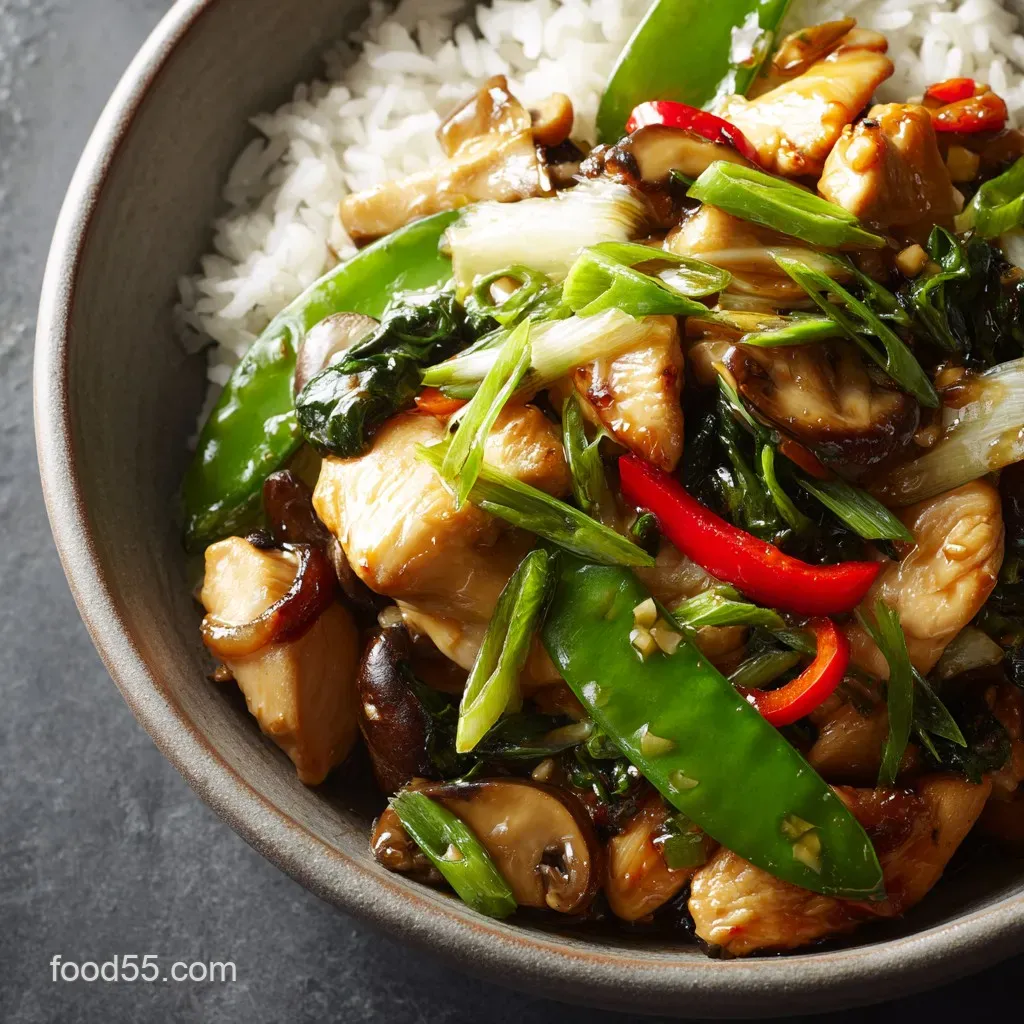
Mastering Moo Goo Gai Pan: Your Guide to a Velvety Chicken Stir Fry
There's a special charm to Chinese-American cuisine that evokes a sense of comfort and familiarity. It’s a culinary bridge, blending traditional Chinese flavors and techniques with an American sensibility. Among its many beloved dishes, Moo Goo Gai Pan stands out as a true classic. Often translated as "mushrooms and sliced chicken," this vibrant stir-fry is a testament to simple, delicious cooking, offering a delightful harmony of tender chicken, crisp-tender vegetables, and a luscious savory sauce. It’s the kind of dish that makes a weeknight meal feel special yet remains incredibly easy to prepare.
While it might not be identical to dishes found in traditional Chinese kitchens, moo goo gai pan has carved its own delicious niche, becoming a staple in homes and takeout menus across the US. Its mild, savory profile and bounty of vegetables make it particularly appealing to families and those exploring Chinese flavors for the first time. For a deeper dive into its origins and health benefits, you might enjoy reading our companion article: What is Moo Goo Gai Pan? A Healthy Chinese-American Classic.
What Makes Moo Goo Gai Pan So Irresistible?
At its heart, Moo Goo Gai Pan is a celebration of texture and balanced flavor. Unlike some other Chinese-American dishes that lean towards sweetness, this stir-fry offers a predominantly savory experience with subtle acidic and umami notes that dance on the palate. The sauce is typically a light, "white sauce" rather than a dark, heavy one, allowing the fresh flavors of the vegetables and chicken to shine through.
Imagine tender, melt-in-your-mouth chicken, crisp water chestnuts, earthy mushrooms, and vibrant bok choy, all coated in a rich, slightly gooey sauce that clings perfectly to every bite. This isn't just a meal; it's an experience, delivering satisfaction without feeling heavy. It’s inherently budget-friendly, making the most of common pantry staples and fresh produce, and comes together remarkably quickly—often in under 30 minutes from start to finish. This makes it an ideal choice for busy weeknights when you crave something wholesome and flavorful without the fuss.
The Secret to Velvety Chicken: Mastering the Technique
The hallmark of truly exceptional Moo Goo Gai Pan is its incredibly tender, moist chicken. This isn't achieved by chance but by a clever Chinese cooking technique known as velveting. Velveting involves marinating meat, most commonly chicken or pork, with a small amount of cornstarch and a liquid, often rice wine or soy sauce. Sometimes, an egg white is also included in the marinade, though many home cooks find that cornstarch and liquid alone work wonders for ease.
How Velveting Works:
- Moisture Retention: The cornstarch forms a thin protective barrier around the meat, essentially sealing in moisture during the high-heat cooking process of stir-frying. This prevents the chicken from drying out, even if slightly overcooked.
- Tenderization: The cornstarch itself contributes to a softer, more tender texture, creating that signature "velvety" mouthfeel.
- Sauce Thickening: As the velveted chicken cooks, some of the cornstarch releases into the wok, naturally helping to thicken the final stir-fry sauce, giving it that desirable gooey consistency without needing excessive amounts of additional slurry.
For the best results, we recommend using skinless, boneless chicken thighs. Their slightly higher fat content contributes to even more tenderness and flavor, though chicken breast can also be used if preferred, perhaps sliced a bit thinner. When preparing your chicken, slice it against the grain into uniform pieces to ensure even cooking and maximum tenderness. A simple marinade of a tablespoon of Chinese cooking wine (like Shaoxing), a teaspoon of soy sauce, and a tablespoon of cornstarch for about 10-15 minutes is all you need to achieve beautifully velveted chicken.
Crafting the Signature Savory Sauce
The sauce is the soul of any stir-fry, and Moo Goo Gai Pan boasts a delightfully complex yet balanced "white sauce" that is savory, fragrant, and deeply satisfying. This isn't a sticky-sweet glaze but rather a harmonious blend of umami, salinity, and subtle acidity that enhances, rather than overwhelms, the fresh ingredients.
Key components typically include:
- Shaoxing Cooking Wine: This is a cornerstone of Chinese cuisine, offering a distinct aromatic depth and savory complexity. It’s crucial for authentic flavor, but a dry sherry can be a substitute in a pinch.
- White Rice Wine (or Mirin): Adds a touch of sweetness and mild acidity, balancing the other strong flavors.
- Soy Sauce: Provides essential saltiness and umami, forming the backbone of the savory profile. Light soy sauce is generally preferred to keep the sauce light in color.
- Oyster Sauce: Contributes a rich, savory, and slightly sweet umami boost. A vegetarian mushroom-based oyster sauce is an excellent alternative.
- Sesame Oil: Added at the end, a drizzle of toasted sesame oil lends a wonderful nutty aroma and a final layer of flavor.
- Cornstarch Slurry: A mixture of cornstarch and water (or broth) is essential for achieving the characteristic gooey thickness of the sauce. It's added at the very end of cooking to thicken rapidly.
When combining these ingredients, taste and adjust. The goal is a savory sauce that’s neither too salty nor too bland, with a pleasant tang and a rich, satisfying mouthfeel. Don’t be afraid to experiment with small adjustments to suit your personal preference.
A Symphony of Fresh Vegetables
One of the aspects that makes Moo Goo Gai Pan a healthy and vibrant dish is its generous inclusion of fresh vegetables. The beauty of a stir-fry lies in its versatility, allowing you to incorporate a wide array of seasonal produce. Traditionally, the dish features:
- Mushrooms: Often sliced button mushrooms or cremini, offering an earthy flavor and meaty texture.
- Bok Choy: Specifically, large white bok choy, providing a delicate crunch and slightly sweet, leafy greens.
- Bamboo Shoots: Adds a distinct, slightly sweet and crunchy texture.
- Water Chestnuts: Famous for their incredible crispness, providing a delightful textural contrast.
However, you're not limited to these. Feel free to add or substitute other crisp-tender vegetables like snow peas, sliced carrots, bell peppers (any color), broccoli florets, or even thinly sliced zucchini. The key is to cut all your vegetables into roughly uniform sizes to ensure they cook evenly and quickly. Aim for a crisp-tender texture – not raw, but not mushy – which adds to the fresh appeal of the dish.
Your Guide to an Easy Moo Goo Gai Pan Recipe
Creating your own masterful Moo Goo Gai Pan at home is surprisingly straightforward, especially when you break it down into simple steps:
- Preparation is Key: Begin by prepping all your ingredients. Slice the chicken, velvet it, chop all your vegetables, and whisk together your sauce ingredients. This "mise en place" is vital for stir-fries, as the cooking process is very fast.
- Sear the Chicken: Heat your wok or large skillet over high heat with a tablespoon of neutral oil. Once shimmering, add the velveted chicken in a single layer and sear until lightly golden and cooked through. Remove the chicken from the wok and set aside.
- Stir-Fry the Aromatics & Vegetables: Add a little more oil if needed, then quickly stir-fry minced garlic and ginger until fragrant. Add the harder vegetables first (like carrots, bamboo shoots, water chestnuts) and stir-fry for a couple of minutes before adding softer ones (mushrooms, bok choy).
- Combine and Sauce: Return the cooked chicken to the wok with the vegetables. Give your prepared sauce a quick whisk to ensure the cornstarch is suspended, then pour it over everything. Stir continuously until the sauce thickens and coats all the ingredients, usually just a minute or two.
- Finish and Serve: Turn off the heat, drizzle with a little toasted sesame oil, and serve immediately.
This dish is truly perfect for a busy weeknight, offering maximum flavor with minimal effort. For more in-depth guidance on making this dish a regular in your rotation, check out our guide: Moo Goo Gai Pan: Your Quick & Savory Weeknight Chinese Dish Guide.
Serve your homemade Moo Goo Gai Pan alongside a steaming bowl of jasmine rice to soak up all that delicious sauce. For a more elaborate dinner, you might pair it with other complementary dishes like crispy roasted pork, stir-fried garlic eggplant, or a simple steamed fish, creating a feast reminiscent of a delightful Chinese-American banquet.
Conclusion
Moo Goo Gai Pan is more than just a stir-fry; it's a testament to the beloved flavors and adaptable spirit of Chinese-American cuisine. By understanding the simple techniques like velveting and balancing a savory "white sauce," you can easily recreate this restaurant favorite in your own kitchen. It's a healthy, budget-friendly, and incredibly satisfying dish that proves delicious meals don't have to be complicated. So gather your ingredients, fire up your wok, and prepare to delight your taste buds with this easy, velvety chicken stir-fry recipe – a true classic ready for your dinner table.
